
Modern aesthetics is not about dramatic transformation. It is about working with your natural features — softening, balancing and nurturing what is already there, so that you feel fully at ease in your own skin.
Evidence-based treatment approach
Tailored to your unique features and goals
Understated, balanced and true to you
Safety, transparency and ethical care
Welcome

Slowly but surely, aesthetics has become an integral part of how many people approach skin health, personal appearance and self-confidence. At its core, the field is not concerned with altering who someone fundamentally is. It is instead about gentle enhancement — thoughtful care of what already exists.
Over time, skin changes. Lines form through natural expression. Texture shifts. The softness and balance that once felt effortless may be less visible. These changes are entirely normal, part of living a life fully felt and expressed. But for many, they begin to affect how someone feels when they stand in front of the mirror.
Modern aesthetics provides a measured, calm response to those changes — one that works with the face rather than against it. The aim is not to sculpt a different version of you. It is simply to help you feel more comfortable and confident in the one you already have.
"The goal is never to chase an impossible standard. It is to restore a natural balance — a quiet confidence that feels entirely your own."
The most meaningful outcomes in aesthetics are rarely the most dramatic. They are the subtle shifts that let someone feel refreshed, rested and at ease — without looking as though anything at all has changed in the way others might notice.
Why It Matters
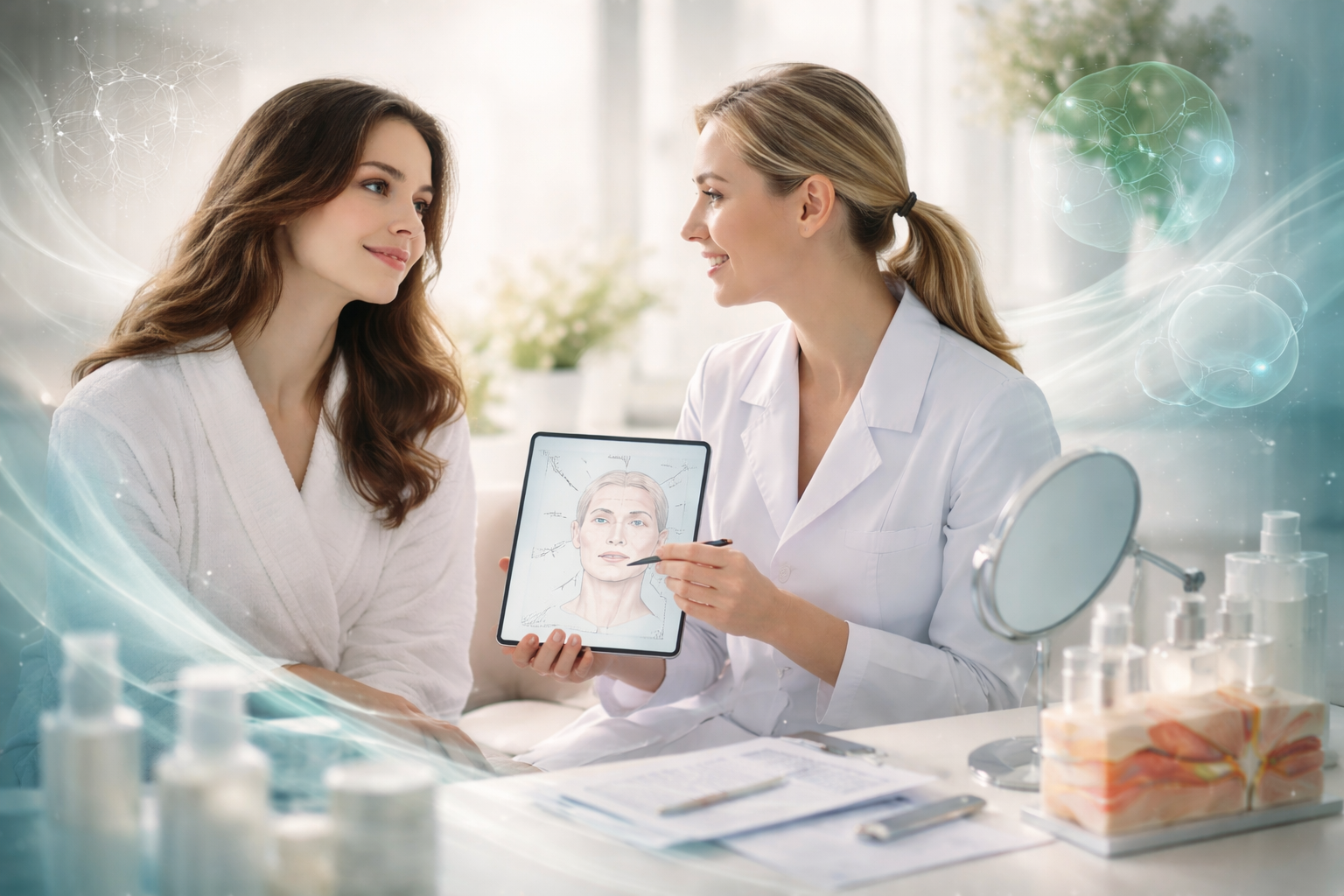
The field of aesthetics has matured considerably. What once leaned heavily toward dramatic results has steadily evolved into something far more considered and refined. Today, aesthetics is guided by rigorous medical knowledge, a genuine understanding of facial anatomy and a real respect for individual identity.
Professional aesthetic care is not the same as applying a product purchased on a high street shelf. A trained clinical practitioner brings a layered understanding of how the face functions — how muscles interact, how volume shifts with age, how the skin responds to environmental stress and how the smallest changes can have proportional effects on the face as a whole.
This depth of understanding allows for treatment that is both precise and proportionate. Instead of addressing concerns in isolation, responsible aesthetics thinks about the entire face as a structure, assessing balance across different areas before determining what — if anything — may be appropriate.
Skin quality alone makes an enormous difference to how a face presents. Well-hydrated skin with a smooth texture and an even tone reflects light more naturally, lending the face a healthier, more radiant quality. For this reason, professional aesthetics extends far beyond the treatment of lines and wrinkles — it is equally invested in skin resilience, elasticity and long-term health.
Prevention also plays an increasingly important role. Many people are now seeking professional guidance earlier in life — not because there is anything wrong, but because maintaining healthy skin from a younger age tends to support better long-term results. These maintenance strategies are typically gentle, supportive and focused on sustaining the skin's natural function.
Education is part of the process, too. Understanding how lifestyle factors influence the skin, how ageing progresses and how different treatments interact allows each person to make thoughtful, informed decisions rather than reactive ones. A good practitioner facilitates that understanding throughout the entire journey.
The Process
Aesthetic treatment is not a single event — it is a considered process that begins long before any clinical decision is made. Understanding each stage helps set a realistic and rewarding foundation.
The first step is always a thorough consultation. This is an unhurried conversation in which skin quality, facial structure, natural movement and individual concerns are all carefully considered. Listening is a central part of this process — each person arrives with their own history, goals and questions, and none of those should be brushed past quickly.
Once a clear picture of skin condition and personal goals has been established, an open discussion takes place around what is genuinely achievable. This stage is about transparency and honesty — exploring what different treatments can and cannot do, and ensuring the individual feels properly informed before any decisions are reached.
No two faces are the same. Following consultation, a personalised plan is shaped around the individual — one that reflects their specific anatomy, lifestyle, skin condition and personal preferences. Treatment is never prescribed as a one-size-fits-all formula.
When treatment proceeds, it does so within a clean, clinical environment using appropriate professional standards and careful technique. Moderation is key — subtle changes accumulate over time, giving the face space to settle and respond naturally without any sudden visual imbalance.
After treatment, the process continues. Skin needs time to heal and settle. Reviews allow for assessment of how results are developing and whether any minor adjustments might be appropriate. Long-term skin health, maintained consistently over time, forms the foundation of truly lasting outcomes.
Suitability
Aesthetics is not the exclusive territory of any particular age group, gender or life stage. People come to aesthetic care from all walks of life and for many different reasons — and there is no single correct moment to begin exploring the options available.
Some are introduced to aesthetics in their late twenties or early thirties as part of a proactive skin health routine — before more visible changes have had the chance to take hold. Others wait until they notice specific shifts in skin quality or facial structure that they would like to address. Neither approach is more valid than the other.
What matters most is motivation. Are you considering aesthetic care because it feels right to you, informed by genuine reflection and trustworthy information? Or are you responding to external pressure, comparison or a passing phase? The first brings lasting satisfaction. The second rarely does.
Aesthetic care is best approached as a personal choice — one that should never feel obligatory, rushed or influenced by external opinion. It is about your own comfort and confidence, on your own terms, at a pace that feels right for you.
Younger individuals looking to maintain their skin's condition, protect collagen and support long-term skin resilience. These approaches are generally gentle and are well-suited to those who want to be proactive rather than reactive.
People who feel that their reflection no longer quite matches their energy, personality or sense of self — and who want to address specific changes in a careful, proportionate way.
Individuals who are focused less on specific concerns and more on overall skin quality — hydration, texture, radiance and resilience. A strong skin health foundation benefits everyone.
Common Concerns
Aesthetic concerns are as individual as the people who experience them. Understanding what drives visible changes in the skin — and how those changes progress over time — is the first step toward making informed, confident decisions.
Lines develop gradually through repeated facial movement — smiling, frowning, squinting. Over time, as skin loses some of its natural elasticity, these lines become more permanent in appearance. They are entirely natural, but for some they contribute to a look of tiredness or agitation that does not reflect how they actually feel.
As the face naturally loses fat and structural support with age, certain areas may appear sunken, deflated or less defined than they once were. Cheeks, temples and areas around the mouth are particularly susceptible to this kind of change, which can alter the overall proportional balance of the face.
Uneven skin tone, dullness, enlarged pores, rough texture or areas of pigmentation can all affect the overall quality of the skin's surface. These changes often develop gradually through sun exposure, hormonal shifts, lifestyle factors or simply the natural slowing of the skin's renewal process.
With age, the skin gradually produces less collagen and elastin — the proteins responsible for its firmness and bounce. This leads to a slow softening of definition, particularly along the jawline, neck and around the eyes. Maintaining skin resilience over time is both achievable and deeply worthwhile.
Skin that lacks adequate hydration appears dull, tired and often more lined than it actually is. Internal hydration — at the structural level of the skin — supports a naturally plump, healthy appearance. Restoring and maintaining this moisture balance is a foundational part of skin health.
Cumulative UV exposure over the years can accelerate visible ageing, contribute to pigmentation and compromise the skin's structural integrity. Addressing the effects of sun damage — and preventing further deterioration — forms an important component of long-term skin health management.
Treatment Overview
Aesthetic treatments cover a considered range of approaches, each designed to address specific concerns while supporting the natural balance of the face. None of the options described here are about dramatic or visible transformation — they are about thoughtful, proportionate care.
Targeting uneven tone, rough texture and dull appearance, these treatments support healthy cell renewal and assist the skin's natural repair mechanisms. The result is generally a smoother, more luminous surface that reflects light more evenly and looks visibly healthier.
Lines formed through years of natural facial expression can, over time, deepen beyond what skin elasticity alone can recover. These treatments aim to soften the appearance of those creases without compromising natural movement or expressiveness. The intent is to look rested and refreshed — not changed.
Where the face has lost structural volume over time — in the cheeks, temples or around the mouth — carefully placed support can restore a more harmonious, youthful proportion. This is not about adding anything that was not there before; it is about replacing what has gradually diminished.
Addressing skin at its structural level rather than purely its surface, these treatments aim to restore internal hydration and support the skin's own elastin and collagen network. The benefits tend to build gradually, producing softer, more supple and more radiant skin over time.
Increasingly popular among younger individuals, preventative treatments aim to preserve skin quality before more visible changes develop. These approaches are generally gentle, maintenance-focused and intended to support the skin's natural processes over the long term.
A growing area of modern aesthetics combines clinical treatments with personalised skincare guidance, nutritional awareness and lifestyle support. The understanding that skin health reflects overall wellbeing makes this integrated approach increasingly compelling for those looking for sustained, meaningful results.
Managing Expectations
One of the most important conversations in aesthetics is the one about expectations. While treatments can produce genuinely meaningful changes in appearance, they cannot fundamentally alter identity or permanently arrest the natural passage of time.
People who approach aesthetics with a clear and realistic understanding of what is achievable tend to have far more satisfying experiences than those who arrive hoping for a transformation that no responsible practitioner would offer.
The most meaningful results are often the most subtle ones. A fine line softened here. A slight restoration of volume there. Skin that looks more rested, more even, more naturally itself. These are the adjustments that feel organic and that preserve — rather than override — the unique character of a face.
Aesthetics is also rarely a single event. Skin and facial structure continue to change over time. The most thoughtful approach allows for reviews, gradual adjustments and the flexibility to respond as circumstances evolve — rather than locking in a fixed result that may feel incongruous further down the line.
What you can realistically expect
Treatments work best when they are part of a broader, consistent approach to skin health — including a good daily skincare routine, sun protection and attention to hydration and lifestyle.
Safety and Standards
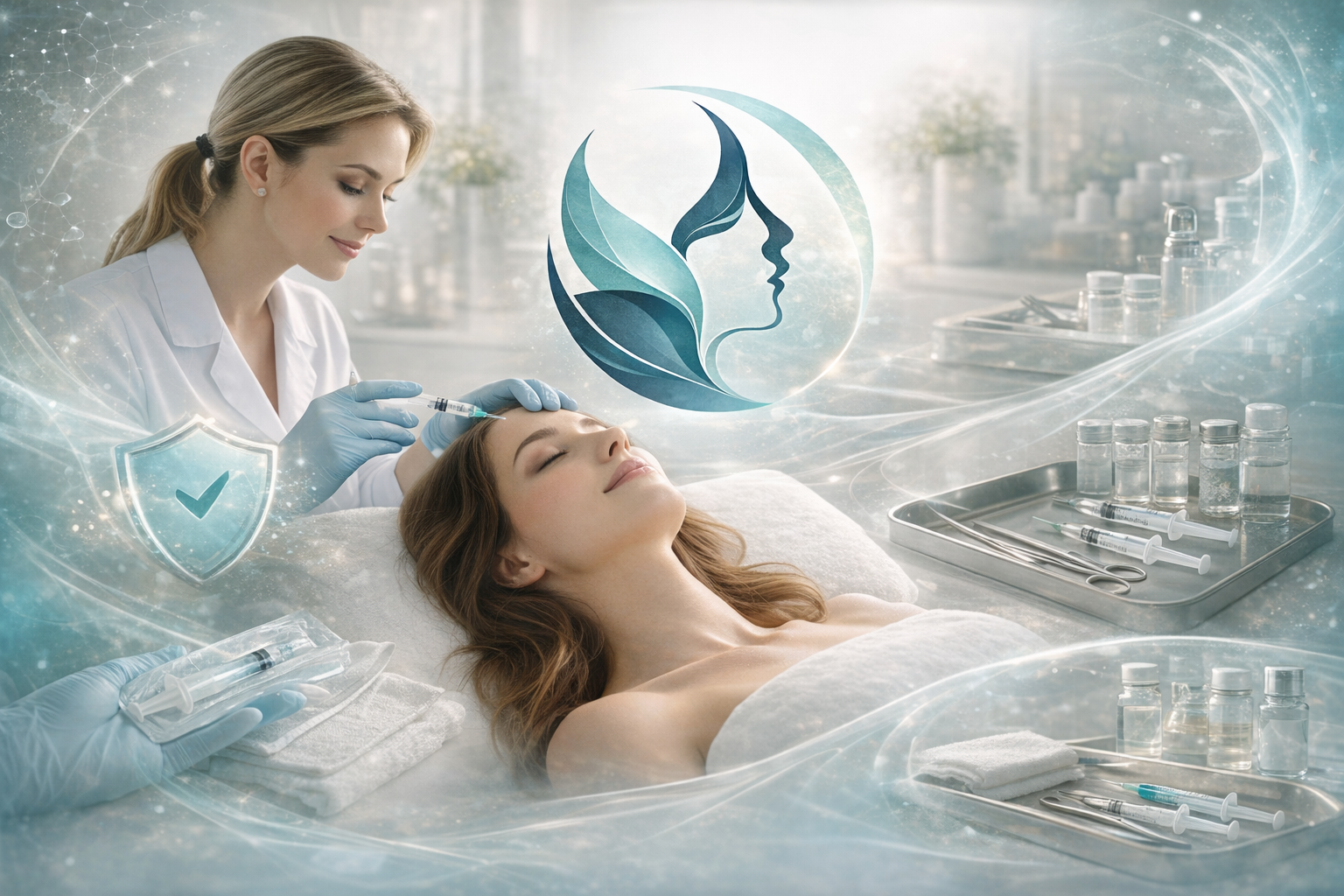
Safety is not a secondary consideration in aesthetics — it is the foundation upon which everything else is built. Aesthetic treatments interact with the skin and underlying facial anatomy in direct and consequential ways. They require careful planning, sound medical knowledge and an unwavering commitment to patient wellbeing above all else.
The face is a complex structure. Muscles, blood vessels, connective tissue and nerves are all closely interwoven, and the cumulative effect of any treatment must be considered long before the first appointment takes place. A responsible practitioner brings not only technical skill but a careful, measured approach to every patient they see.
Hygiene and clinical standards form another non-negotiable part of safe practice. Clean, controlled environments, sterile technique and appropriate professional materials all protect skin integrity and minimise the risk of complications. These are basics, but they are basics that cannot be compromised.
Professional ethics also play a central role. Treatment should only ever be recommended when it is genuinely appropriate — not simply because it has been requested. Treatments that are unlikely to produce a safe, natural result should not be performed. Patient wellbeing must always come before any other consideration.
All treatments are planned with a thorough understanding of facial structure. Safety requires knowing not only what a treatment does, but how it interacts with the unique anatomy of each individual face.
People should always know exactly what a treatment involves, how long results may last, what to expect during the recovery period and what potential side effects exist. Informed consent is not a formality — it is an ethical obligation.
Safety extends beyond the treatment itself. Proper aftercare guidance and follow-up ensure the skin heals correctly and that any developing concerns are addressed early and appropriately.
Aftercare
The period following any aesthetic treatment is just as important as the treatment itself. Skin needs time to heal, settle and respond, and that process is supported by careful, consistent attention to aftercare in the days and weeks that follow.
Aftercare guidance varies depending on the nature of the treatment, but some principles apply broadly. Protecting the skin from direct sun exposure is almost always advised. Keeping the skin well-hydrated helps support the natural healing process. Avoiding certain products, heat or strenuous physical activity in the immediate aftermath allows the skin to recover without additional stress.
A regular, well-chosen daily skincare routine plays a vital supporting role beyond the treatment window itself. Cleansing, moisturising, applying SPF and using targeted products appropriate to your skin type all contribute to maintaining the health and resilience that allows aesthetic treatments to work most effectively.
Follow-up appointments allow for proper assessment of how results are developing. They also provide an opportunity to ask questions, raise any concerns and determine whether the plan needs any adjustment going forward. This ongoing dialogue is a key part of responsible aesthetic care.
Aesthetic treatments complement good skin health habits — they do not replace them. Hydration, nutrition, adequate sleep and consistent sun protection all have a meaningful cumulative impact on how the skin ages and responds to any treatment over time.
Frequently Asked
Yes — this is one of the most fundamental principles of responsible aesthetic practice. Natural results mean that you still look completely like yourself. Others around you may notice that you look more rested or refreshed, but they are unlikely to identify specifically what has changed. Any treatment that risks altering your core appearance would not be recommended under a considered aesthetic approach.
Preventative aesthetic care has become increasingly sought after among younger individuals. Addressing skin quality early — before more significant changes develop — can support healthier skin function over time. That said, any treatment approach should be proportionate to the individual's actual needs, and professional guidance will help determine what is genuinely appropriate.
Results vary considerably depending on the type of treatment and the individual's skin. Some changes are visible relatively quickly, while others develop more gradually over days or weeks as the skin settles. Long-term skin health improvements often build progressively over several months, which is why patience and a sustained approach tend to yield the most satisfying outcomes.
Open and honest communication is essential throughout the entire aesthetic journey. If a result does not feel right, the appropriate response is an early follow-up appointment to discuss concerns properly. Many results that feel unexpected immediately after treatment settle well over time, but a review appointment allows for proper assessment and, where appropriate, any necessary adjustment.
This depends entirely on the type of treatment and the individual's goals. Some treatments are a one-off event, while others form part of a maintenance schedule spread across months or years. A thoughtful treatment plan will take into account not only what is needed now, but what a sensible long-term approach looks like — avoiding unnecessary intervention while supporting consistent skin health.
Aesthetic care is not restricted to any particular age group. What matters more than age is the individual's skin condition, their goals and whether a proposed treatment is genuinely appropriate and proportionate. People in their thirties, fifties and beyond can all benefit from different types of aesthetic support, each tailored to their specific needs at that point in their life.
Very much so. Many aesthetic treatments work directly to support the skin's structural health — stimulating collagen, improving hydration at a deep level and reinforcing the skin's natural barrier. These physiological benefits contribute to a healthier, more resilient skin over time, and they extend well beyond surface appearance alone.
Absolutely — the consultation is where responsible aesthetic care actually begins. It is not simply a formality before treatment. A thorough consultation allows for a proper understanding of the individual's skin, facial structure and goals. It opens up an honest discussion about what is genuinely achievable and ensures that any treatment recommended is appropriate, proportionate and in the person's genuine best interest.
Patient Experiences
The most genuine measure of aesthetic care is not found in before-and-after images — it is found in how people feel about themselves in everyday life.
"I was nervous about even having a consultation. But the whole process was calm and informative — I never felt pushed toward anything. A few months later I genuinely look more rested, and most importantly, I still look like me."
"I have been coming for skin quality treatments for a couple of years now. What I appreciate most is that there has never been any pressure to do more than I want to. My skin is genuinely healthier and it shows."
"I started early as a preventative measure. I was a little uncertain at first about whether it was right for me, but after the initial consultation I felt fully informed. The results have been subtle but really meaningful."
"The thing that surprised me most was how little I needed to feel the difference. I was expecting bigger changes. What I got was something smaller but far more satisfying — I just look like myself, only well-rested."
"I had tried a number of different things before coming here. The difference was the consultation — it was thorough and honest. For the first time, I felt like someone was actually listening to what I wanted rather than just proposing treatments."
"I came in feeling quite uncertain about the whole idea. After the consultation I felt at ease. The results were subtle but they have made a genuine difference to how I feel every morning. That is really all I wanted."
Our Approach
The way aesthetic care is delivered matters as much as the treatments themselves. A clinical environment that feels calm, welcoming and genuinely attentive makes a real difference to the overall experience — and to the quality of the decisions made within it.
Every person who walks through the door arrives with a different history, a different set of concerns and a different idea of what they are hoping to achieve. Those differences are not obstacles to be managed — they are the starting point for everything that follows.
The approach taken here is grounded in three interconnected principles: listen carefully before recommending anything; be honest about what is and is not achievable; and always place the individual's genuine wellbeing above any other consideration.
Education is woven throughout. Understanding the skin, the face and the ageing process allows each person to make genuinely informed decisions rather than reacting emotionally to fleeting concerns. That understanding also tends to produce better long-term outcomes, because people who understand their skin can support it more effectively between appointments.
Philosophy
Of all the principles that guide responsible aesthetic practice, few are as important as the commitment to natural results. The aim is never to produce a change that is obvious or dramatic. It is to create a subtle enhancement — one that feels like the face on a good day, nothing more and nothing less.
Natural results mean that people continue to look exactly like themselves. A friend or colleague might notice that something has shifted, that someone appears better rested or more vibrant — but they would struggle to identify precisely why. That quiet invisibility is, in many ways, the highest standard of aesthetic achievement.
Achieving truly natural results demands a thorough understanding of facial anatomy, proportion and movement. Every face is different. The same small change that works beautifully in one person might appear unnatural in another. This is why aesthetics requires both medical rigour and a genuine sensitivity to individual facial character.
Moderation sits at the heart of good aesthetic philosophy. Subtlety, implemented gradually and thoughtfully over time, allows the face to change in a way that remains coherent and natural. It avoids the visual imbalance that comes from overdoing things — from pursuing an unrealistic ideal rather than enhancing what is genuinely there.
Aesthetics, approached this way, is also not about fighting the ageing process. Ageing is natural. It carries with it stories, expressions and the marks of a life lived fully. The role of aesthetics is not to erase those marks but to work alongside the natural process — preserving skin health, maintaining facial balance and supporting a face that continues to feel true to the person it belongs to.
When this philosophy is followed with genuine care, the result is not a face that looks different — it is a person who feels more like themselves.
Getting Started

If you are considering aesthetic care for the first time, the most important thing to know is that there is no pressure or urgency. Exploring the options available, reading widely, asking questions and taking the time to understand what different treatments involve are all worthwhile steps before any appointment is made.
Aesthetics works best when approached from a place of genuine readiness — when the motivation is personal, the expectations are realistic and the individual feels properly informed. There is never a wrong time to start learning about skin health and the options available. But there is also never a need to move faster than feels right.
When you do feel ready, a consultation is the natural place to begin. It is an opportunity to ask all the questions you have, to discuss your skin's history and your goals honestly, and to understand what may — and may not — be appropriate for you. From there, any decisions can be made at your own pace, with full information and without any external pressure.
Closing Thoughts

At its most considered, aesthetics is simply another form of caring for yourself. Just as people tend to their physical health, their fitness and their mental wellbeing, caring for the skin and supporting the natural balance of the face can contribute meaningfully to how someone feels from one day to the next.
The most rewarding aesthetic journeys are never driven by the pursuit of perfection. They are driven by patience — by a willingness to take time, stay honest and make decisions that feel genuinely right rather than reactive. They are also driven by trust — trust in the guidance received, trust in the process and, most importantly, trust in one's own sense of what feels appropriate.
Every face is different. Every story is different. Aesthetics, practised with care and integrity, should always respect that. It should never attempt to impose a uniform standard of beauty or push someone toward a result that does not reflect who they are. It should simply offer knowledge, support and professional skill — and allow each individual to find their own way forward, at their own pace.
The true value of good aesthetic care is not found in the treatment room. It is found in the quiet confidence that follows — in the morning when someone looks in the mirror and feels at ease, in the social situation where they no longer think about how they appear, in the natural sense of comfort that comes from feeling like yourself.
Aesthetics, in this sense, becomes less about surface appearance and more about a deeper, quieter form of wellbeing. It becomes about feeling genuinely at home in your own skin — and about carrying that ease with you into everyday life.
That is the version of aesthetics worth pursuing. And with the right guidance, the right information and the right timing, it is well within reach.